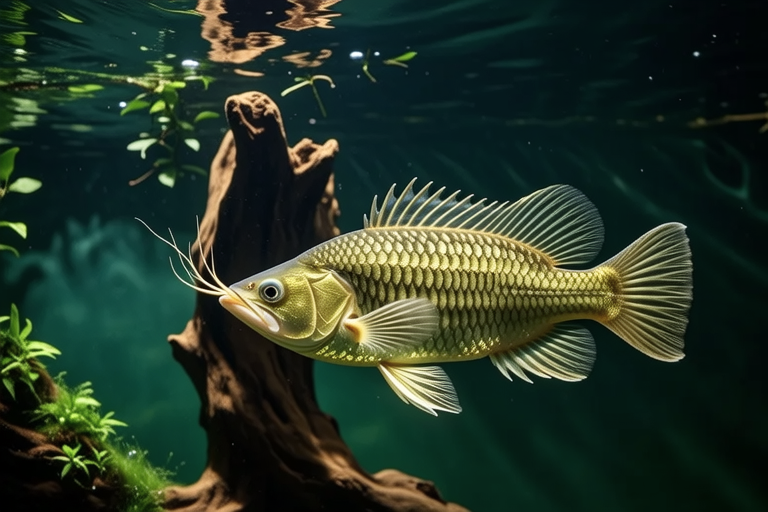
5 Fascinating Facts About Arowana You Need to Know
The arowana, often referred to as dragonfish due to its appearance and behavior, is one of the most captivating species of freshwater fish. Known for its ancient lineage and unique physical attributes, the arowana has intrigued scientists, hobbyists, and enthusiasts alike. This article delves into five fascinating facts about arowana that will deepen your understanding and appreciation of this remarkable creature.
1. Unique Physical Characteristics: Breathing Air and Leaping Out of Water
The arowana is equipped with a specialized swim bladder that allows it to extract oxygen from the air, enabling it to survive short periods outside water. This adaptation is particularly useful in oxygen-depleted environments. Moreover, arowanas are known for their impressive jumping abilities. They can leap several feet out of the water to catch prey or escape predators. This leaping capability is attributed to powerful pectoral fins and a streamlined body shape that helps them achieve great propulsion. These physical traits make the arowana not just a formidable predator but also an intriguing subject of study in evolutionary biology.
2. Historical Significance: Symbols of Good Luck and Wealth
In various cultures, arowanas hold significant symbolic value. In Chinese culture, for instance, the arowana is believed to bring prosperity and good fortune. The fish’s red color variety, in particular, is highly sought after. It is often associated with the Chinese zodiac sign of the dragon, symbolizing power, strength, and protection. Similarly, in other Southeast Asian countries like Malaysia and Indonesia, arowanas are considered auspicious and are sometimes gifted during important ceremonies or as signs of respect. These cultural beliefs have contributed to the popularity of arowanas as ornamental fish, even though they are not native to these regions.
3. Dietary Habits and Hunting Techniques
Arowanas are carnivorous and primarily feed on smaller fish, insects, and crustaceans. Their diet is diverse, reflecting their opportunistic nature. These fish are known for their aggressive hunting techniques. When stalking prey, they position themselves strategically, often near the surface of the water. Once they spot potential food, they launch a quick, powerful strike. Their sharp teeth and strong jaw muscles enable them to capture and consume prey efficiently. Additionally, arowanas are capable of swallowing large prey whole, which contributes to their reputation as apex predators in their natural habitats.
4. Challenges of Keeping Arowanas as Pets
Despite their appeal as ornamental fish, keeping arowanas as pets comes with several challenges. Firstly, arowanas require spacious tanks to accommodate their size and swimming patterns. Adult arowanas can grow up to three feet long, necessitating aquariums that provide ample swimming room. Secondly, maintaining the right water conditions is crucial. These fish prefer slightly acidic and soft water, which can be challenging to replicate in home aquariums. Lastly, there are legal considerations in many regions. Due to their high value and conservation status, some countries restrict the trade of arowanas. Hobbyists must ensure they comply with local laws and regulations before purchasing these fish.
5. Conservation Efforts and Importance of Maintaining Natural Habitats
Given the arowana’s popularity in the pet trade and its limited range in the wild, conservation efforts are vital. Many species of arowana are listed under the Convention on International Trade in Endangered Species of Wild Fauna and Flora (CITES). Organizations and governments are working to protect these fish through habitat preservation and sustainable breeding programs. These initiatives aim to reduce pressure on wild populations and promote responsible ownership of arowanas. By preserving natural habitats and supporting conservation projects, we can ensure the survival of these magnificent creatures for future generations.
In conclusion, the arowana is a fish that combines evolutionary marvels with cultural significance. Its ability to breathe air and leap out of water, coupled with its role as a symbol of good luck and wealth, makes it a fascinating subject of interest. Understanding its dietary habits and the challenges of keeping it as a pet provides valuable insights into the complexities of maintaining this species. Most importantly, recognizing the importance of conservation efforts highlights the need to preserve these fish in their natural habitats. By appreciating and protecting the arowana, we contribute to the broader goal of safeguarding biodiversity and ensuring the health of our planet’s ecosystems.
