From Cuddles to Charisma: What Makes Ragdolls the Ultimate Companion Cat
There’s a certain kind of magic in a cat that seems to whisper, “I’m here for you.” It’s not just their looks—though they’re undeniably stunning—but the quiet, unwavering presence they bring into your life. Enter the Ragdoll: a feline so serene, so deeply affectionate, and so effortlessly charming that they’ve earned their place as one of the most beloved companion cats in the world. If you’ve ever dreamed of a cat that doesn’t just share your home but truly shares your heart, then the Ragdoll might just be your soulmate in fur.
The Gentle Giants: A Glimpse into Ragdoll Origins
Though their name suggests something whimsical and soft, the Ragdoll’s story is rooted in real history—and a touch of serendipity. The breed was first developed in the 1960s by a woman named Ann Baker in Riverside, California. She noticed a unique, extraordinarily docile cat named Josephine—a white Persian with a striking blue-eyed gaze and an uncanny calmness even when picked up or handled.
Ann Baker began selectively breeding Josephine’s offspring, focusing on traits like extreme gentleness, large size, and striking blue eyes. Over time, she refined the breed, creating what we now know as the Ragdoll. Despite some controversy around her breeding practices (and the fact that many modern Ragdolls aren’t directly descended from Josephine), the core qualities she championed remain at the heart of the breed: affection, tranquility, and a loving nature that borders on human-like loyalty.
Today, Ragdolls are recognized worldwide for their gentle spirit and regal appearance. They’re not just pets—they’re family members, confidants, and emotional anchors in homes where love is spoken through purrs and slow blinks.
Beauty That Speaks Volumes: Physical Traits of the Ragdoll
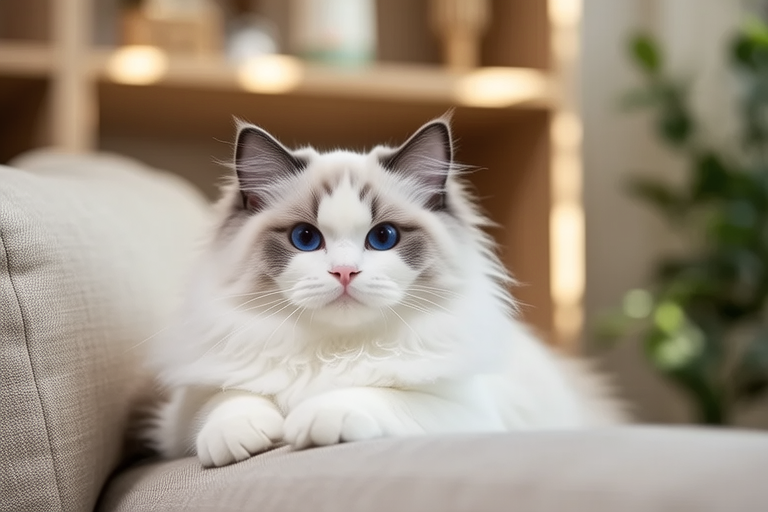
Imagine a cat that looks like a living plush toy—soft, dreamy, and utterly irresistible. That’s the Ragdoll in a nutshell. These felines are known for their large, expressive eyes, which range from deep sapphire to sky blue, giving them a perpetually innocent, soulful look. Their ears are wide-set and pointed, adding to their alert yet gentle expression.
But it’s their coat that truly steals the show. Ragdolls have a semi-long, silky fur that feels like cashmere against your skin. Unlike other long-haired breeds, their coat is low-maintenance in texture—no matting, no tangles—thanks to its fine, soft fibers. The most iconic feature? Their coloring pattern. Ragdolls typically display a “point” pattern—dark coloration on the ears, face, legs, and tail, while the rest of the body remains lighter. Common shades include seal, blue, chocolate, lilac, and flame points, each with its own subtle elegance.
And let’s talk about size. Ragdolls are among the largest domestic cat breeds, with males often weighing between 12 to 20 pounds and females slightly smaller. Yet despite their stature, they move with surprising grace—like a furry ballet dancer gliding across the floor.
Temperament: The Heart of the Matter
What truly sets Ragdolls apart isn’t just how they look—it’s how they feel. From the moment you meet a Ragdoll, you’ll notice something special: a calm, almost meditative presence. They don’t bark, scratch, or hide at the sight of strangers. Instead, they greet you with a slow blink, a gentle head bump, or a quiet purr that seems to say, “You’re safe. I’m right here.”
This breed is famously affectionate. Many owners describe their Ragdolls as “velcro cats”—they follow you from room to room, curling up on your lap during work, snuggling beside you on the couch, or simply sitting quietly at your feet like a loyal guard dog. They crave physical contact and enjoy being brushed, petted, or simply held. Some even go limp when picked up—earning their name from the “rag doll” effect, where they relax completely in your arms.
Ragdolls are also highly intelligent and sensitive. They can learn tricks, respond to their names, and even understand simple commands. They thrive on routine and attention, and while they’re not demanding in a loud way, they do appreciate consistency and emotional connection. They’re not prone to destructive behavior, making them ideal for apartment living or homes with limited space.
“My Ragdoll doesn’t just love me—he *knows* me. He senses when I’m sad before I even cry. That kind of empathy… it’s rare in any animal.”
Living with a Ragdoll: Lifestyle & Care Essentials
While Ragdolls are relatively low-maintenance in terms of energy, they do require thoughtful care to stay happy and healthy.
Grooming: Simple, But Not Optional
Despite their luxurious coat, Ragdolls don’t need daily brushing—once a week is usually sufficient. However, during shedding seasons (spring and fall), increasing grooming to two or three times per week helps prevent hairballs and keeps their coat shiny and tangle-free. Use a soft-bristle brush or a slicker brush to gently remove loose fur and stimulate circulation.
Don’t forget the basics: regular nail trims, ear cleaning (check for wax buildup), and dental care. Brushing teeth a few times a week can help prevent gum disease—a common issue in indoor cats.
Activity & Mental Stimulation
Ragdolls are not hyperactive cats. They enjoy lounging and napping—often in sunbeams or on warm surfaces. But that doesn’t mean they don’t need mental stimulation. Puzzle feeders, feather wands, and interactive toys keep them engaged and prevent boredom. They also love climbing structures and window perches where they can observe the world outside.
One fun fact: Ragdolls often “follow” their humans around the house, sometimes even mimicking our movements. You’ll find them waiting by the door when you’re about to leave—or watching you from the top of the bookshelf, as if they’re part of the conversation.
Families, Kids & Other Pets: A Natural Fit
If you’re considering a Ragdoll for your household, you’ll be glad to know they’re exceptional companions for families. Their patient, tolerant nature makes them ideal for homes with children. They’re unlikely to swat or scratch, even if a toddler pulls their tail or sits on them—though teaching gentle handling is still important.
They also get along well with other pets, including dogs and other cats. Their calm demeanor helps ease tension in multi-pet homes. In fact, many Ragdolls form strong bonds with their canine siblings, playing together or simply sharing a nap on the same rug.
Debunking Myths: What Ragdolls Are Not
Like any popular breed, Ragdolls are surrounded by myths. Let’s set the record straight:
- Myth: Ragdolls are lazy and inactive. While they prefer relaxation over high-energy games, they’re far from sedentary. They enjoy playtime, exploration, and bonding moments with their people.
- Myth: Ragdolls are fragile or delicate. True, they’re not built for roughhousing, but they’re robust cats with good health when bred responsibly. With proper nutrition and vet care, they live 12–17 years or more.
- Myth: All Ragdolls are the same. While they share core traits, individual personalities vary—just like humans. Some may be more outgoing, others more reserved. Early socialization helps shape their temperament.
It’s also worth noting: reputable breeders prioritize health testing and ethical breeding practices. Avoid “pet store” Ragdolls—many come from questionable sources with genetic issues. Always choose a breeder who screens for conditions like hypertrophic cardiomyopathy (HCM), a heart disease common in some breeds.
Practical Tips for New Ragdoll Owners
Bringing home a Ragdoll is a joyful event—but preparation makes all the difference:
- Create a safe sanctuary. Cats love vertical space. Install cat trees, shelves, or window perches to give them elevated vantage points.
- Use calming pheromone diffusers. Products like Feliway can ease stress during transitions and help your new cat settle in.
- Introduce them slowly to new environments. Start with one room, gradually expand access as they become comfortable.
- Invest in a scratching post. Even gentle cats need to stretch and sharpen claws—provide a sturdy, attractive option near their favorite lounging spot.
- Be patient with bonding. Your Ragdoll may take days or weeks to fully trust you. Gentle interaction, treats, and consistent routines build lasting trust.
A Love That Lasts: Why Ragdolls Are More Than Just Pets
In a world that often feels rushed and disconnected, the Ragdoll offers something rare: a quiet, unwavering companionship. They don’t demand attention—they invite it. They don’t seek to dominate; they seek to belong. When you come home after a long day, there’s nothing quite like the feeling of a warm, weighty presence settling into your lap, eyes half-closed in contentment, purring like a tiny engine of peace.
They teach us patience. They remind us that love doesn’t always shout—it whispers in purrs, licks, and the soft press of a paw against our hand. They don’t just live in our homes—they become part of our hearts.
Whether you’re a busy professional seeking comfort, a parent looking for a gentle friend for your kids, or someone who simply craves a quiet, meaningful connection with another living being, the Ragdoll speaks to you in a language older than words: the language of presence, of trust, of unconditional love.
So yes, they’re beautiful. Yes, they’re gentle. But beyond the points, the blue eyes, and the velvet fur—the true magic of the Ragdoll lies in their ability to make you feel seen, heard, and cherished. In a single, soft gaze, they say, “You matter. I’m here. We’re in this together.”
And that, dear reader, is the ultimate gift of a companion cat.
