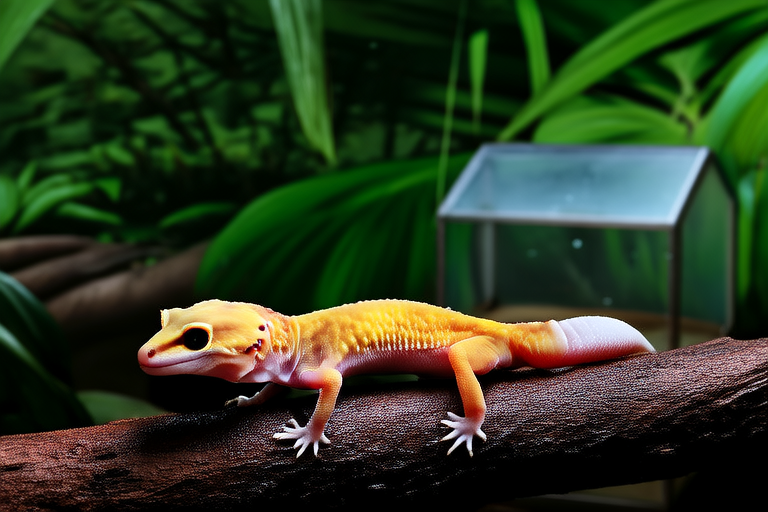
How to Create the Perfect Habitat for Your Happy Chameleon
Welcome to the fascinating world of chameleons! These unique creatures require a specific environment to thrive, making their habitat crucial for their well-being. This guide will walk you through creating an ideal habitat for your chameleon, covering everything from temperature and humidity to lighting, substrate, and plant selection. We’ll also provide tips for maintaining cleanliness and safety, highlight common mistakes to avoid, and suggest regular health checks.
Understanding Your Chameleon’s Needs
Chameleons are arboreal reptiles that naturally live in trees, so their enclosure should mimic their natural habitat. This means vertical space, proper lighting, and a variety of climbing opportunities. A 20-gallon tank can be suitable for smaller species, but larger chameleons will need more room.
Temperature Requirements
Chameleons are ectothermic, meaning they rely on external heat sources to regulate their body temperature. Maintaining the right temperature gradient within the enclosure is essential for their health. Use a thermometer to monitor temperatures at different points in the enclosure.
- Basking Spot: Aim for 90-100°F (32-38°C) during the day. This area should be located near the top of the enclosure under a basking lamp.
- Cooler Areas: Temperatures should drop to around 70-75°F (21-24°C) at the bottom of the enclosure. This allows your chameleon to thermoregulate by moving between warmer and cooler areas.
- Nighttime Temperatures: Allow temperatures to drop slightly at night, ideally between 65-70°F (18-21°C).
Humidity Levels
Chameleons require moderate humidity levels, typically between 40-60%. This mimics their natural environment and helps prevent dehydration and respiratory issues. Use a hygrometer to measure humidity levels.
- Misting: Mist the enclosure twice daily, focusing on leaves and branches. Ensure that the substrate remains dry to prevent mold growth.
- Water Dish: While chameleons rarely drink from standing water, it’s still important to provide a shallow dish.
Lighting Needs
Proper lighting is crucial for your chameleon’s health. It provides UVB radiation, which aids in calcium absorption and prevents metabolic bone disease.
- UVB Lighting: Use a high-quality UVB bulb designed for reptiles. Place it at the top of the enclosure, ensuring it covers at least half of the enclosure. Replace the bulb every six months or according to manufacturer recommendations.
- Basking Lamp: In addition to UVB, provide a basking lamp to maintain the correct temperature gradient. Make sure the basking spot reaches the desired temperature range.
- Day/Night Cycle: Mimic natural daylight hours with a timer. Provide 10-12 hours of light followed by darkness.
Appropriate Substrate
The substrate you choose should be easy to clean and maintain. Avoid substrates that can be ingested, such as sand or small gravel, as these can cause impaction.
- Reptile Carpet: This is a popular choice due to its ease of cleaning and lack of risk for ingestion.
- Paper Towels: Another safe option, especially for hatchlings, as it’s easily replaceable.
- Vine Balls: For larger enclosures, consider adding vine balls to create additional climbing surfaces.
Hiding Spots and Climbing Structures
Chameleons need places to hide and climb. Provide a variety of branches, vines, and artificial plants to create a three-dimensional environment.
- Branches: Offer a mix of diameters and textures. Branches should be securely placed to prevent tipping.
- Vines: Add live or artificial vines for added complexity and climbing opportunities.
- Hiding Spots: Provide several hiding spots throughout the enclosure to help your chameleon feel secure.
Suitable Plants
Live plants not only enhance the aesthetic appeal of the enclosure but also provide additional hiding spots and climbing structures. Choose non-toxic plants that thrive in similar conditions to your chameleon’s habitat.
- Ficus Benjamina: Known as the weeping fig, this plant is commonly used in chameleon enclosures.
- Philodendron: Another popular choice, providing dense foliage for climbing and hiding.
- Dracaena: This plant is hardy and can withstand occasional misting.
Maintaining Cleanliness and Safety
Regular maintenance ensures a healthy environment for your chameleon. Clean the enclosure weekly, removing any waste and replacing dirty substrate. Disinfect all surfaces using a reptile-safe cleaner.
- Water Bowls: Clean and refill water bowls daily to prevent bacterial growth.
- Plants: Trim and replace dead or dying plants promptly.
- Substrate: Change or clean the substrate regularly to prevent mold and bacteria buildup.
Common Mistakes to Avoid
Avoid these common pitfalls when setting up your chameleon’s habitat:
- Overcrowding: Too many decorations can make it difficult for your chameleon to move around comfortably.
- Inadequate Ventilation: Ensure the enclosure has proper ventilation to prevent condensation and mold.
- Incorrect Lighting: Insufficient UVB exposure can lead to serious health issues.
- Poor Hygiene: Failing to clean the enclosure regularly can lead to illness.
Regular Health Checks
Monitor your chameleon’s behavior and appearance regularly. Look for signs of illness, such as lethargy, loss of appetite, or unusual shedding. Schedule routine check-ups with a veterinarian who specializes in reptiles.
Conclusion
Creating the perfect habitat for your chameleon involves careful consideration of temperature, humidity, lighting, substrate, and plant choices. By following these guidelines, you’ll provide your chameleon with a safe, comfortable environment that promotes optimal health and happiness. Remember, each chameleon is unique, so be attentive to their individual needs and adjust the habitat accordingly. With the right care and attention, your chameleon will thrive in its new home.
