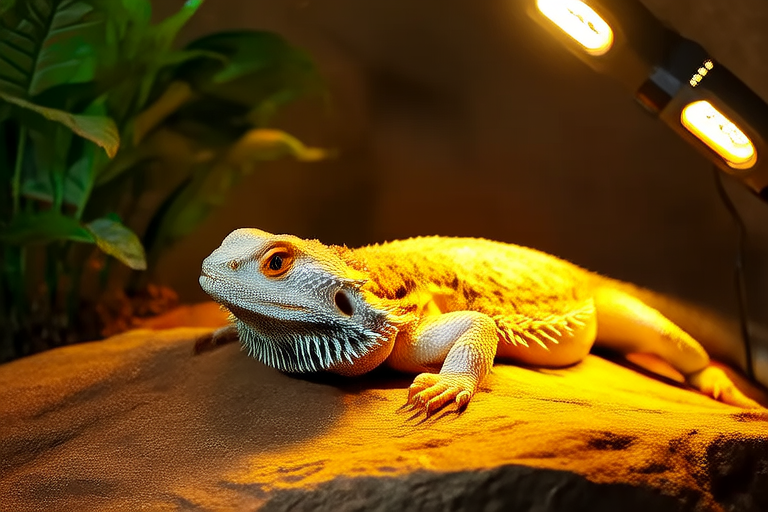
The Ultimate Guide: How to Make Your Bearded Dragon Happy and Healthy
Welcome to the ultimate guide for bearded dragon owners! Whether you’re a first-time reptile owner or an experienced enthusiast, this comprehensive resource will help you provide your scaly friend with the best possible care. From understanding the importance of a balanced diet to setting up the perfect habitat, we’ll cover everything you need to know to keep your bearded dragon happy and healthy.
Proper Diet
A well-balanced diet is crucial for the overall health and longevity of your bearded dragon. Bearded dragons are omnivores, meaning they require a mix of plant-based and animal-based foods. Here’s what you should include:
- Insects: Feed your dragon crickets, dubia roaches, or mealworms. Ensure that insects are gut-loaded, meaning they have been fed a nutritious diet before being offered to your dragon. This helps transfer nutrients to your pet.
- Vegetables: Offer leafy greens like collard greens, mustard greens, and dandelion leaves. Other vegetables such as carrots, squash, and bell peppers can also be included but in moderation due to their high sugar content.
- Fruits: Fruits can be given occasionally as treats. Opt for low-acid fruits like blueberries, mangoes, and papayas.
- Calcium and Vitamin D3 Supplements: Dust your dragon’s food with calcium powder and vitamin D3 supplements weekly to prevent metabolic bone disease.
Remember, variety is key. Rotate different types of food to ensure your bearded dragon gets all necessary nutrients.
Hydration
Bearded dragons obtain most of their hydration from the moisture in their food. However, it’s essential to provide a shallow water dish for drinking. Change the water daily to maintain cleanliness and encourage your dragon to drink. Some dragons may also enjoy soaking in their water dish, which can aid digestion and hydration.
Habitat Setup
The right habitat setup is vital for your bearded dragon’s comfort and health. Here are some key elements to consider:
Temperature
Bearded dragons thrive in specific temperature ranges. Maintain a basking spot between 95-110°F (35-43°C) and a cooler area around 75-85°F (24-29°C). Use thermometers placed at both ends of the enclosure to monitor these temperatures accurately.
Lighting
Proper lighting is essential for UVB exposure, which aids in calcium absorption and prevents metabolic bone disease. Use a UVB light that covers at least 50% of the enclosure and replace it every six months or as recommended by the manufacturer. Ensure your dragon has access to direct sunlight if possible, but avoid overheating.
Substrate
Selecting the appropriate substrate is important to prevent impaction, a condition where undigested material blocks the digestive tract. Avoid substrates like sand or gravel. Instead, opt for safer alternatives such as paper towels, reptile carpet, or tile.
Exercise
Encourage physical activity by providing climbing structures and branches within the enclosure. Exercise helps maintain muscle tone and stimulates natural behaviors. Allow supervised time outside the enclosure under controlled conditions for additional exploration and exercise.
Grooming
Grooming is an essential part of caring for your bearded dragon. Regularly check for any signs of shedding issues, parasites, or skin abnormalities. Trim nails when necessary using specialized reptile nail clippers. Consult with a veterinarian if you’re unsure about performing these tasks yourself.
Common Health Issues
Despite your best efforts, bearded dragons may still encounter health problems. Here are some common issues and how to address them:
- Mouth Rot: Characterized by swelling, discharge, or discoloration around the mouth. Clean the affected area gently and consult a vet immediately.
- Metabolic Bone Disease: Caused by insufficient calcium intake leading to weak bones. Ensure adequate calcium supplementation and proper lighting.
- Parasites: Visible worms or unusual behavior might indicate parasite infestation. Seek veterinary treatment promptly.
Signs of a Healthy Bearded Dragon
Observing certain behaviors and physical characteristics can indicate good health:
- Active and Alert: A healthy bearded dragon should be active during the day, exploring its environment and interacting with its surroundings.
- Clear Eyes: Healthy eyes are clear and free from discharge or cloudiness.
- Good Appetite: Regular feeding habits without sudden changes suggest normal appetite levels.
- Smooth Skin: Absence of bumps, lumps, or irregularities indicates healthy skin.
By paying attention to these indicators, you can quickly identify potential issues before they become severe.
Practical Tips for Owners
Here are some practical tips to enhance your bearded dragon’s quality of life:
- Handle your dragon gently and regularly to build trust and reduce stress.
- Provide hiding spots and secure areas within the enclosure for privacy.
- Monitor humidity levels; too much moisture can lead to respiratory infections.
- Keep enclosures clean by removing waste promptly and performing thorough cleaning sessions periodically.
- Establish a routine for feeding, handling, and checking your dragon’s health to ensure consistent care.
With dedication and attention to detail, you can create a thriving environment for your bearded dragon, ensuring years of companionship and joy.
