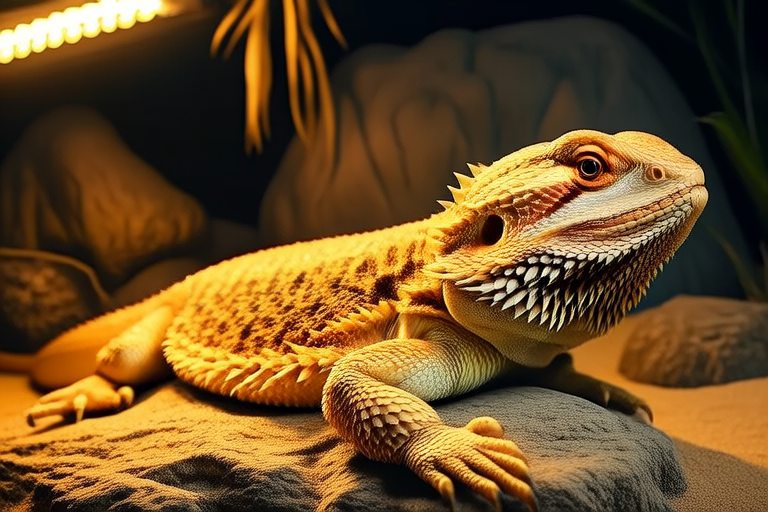
Identifying and Treating Common Health Issues in Bearded Dragons
Introduction
Bearded dragons are popular pets due to their docile nature and striking appearance. However, like any other animal, they require attentive care to ensure their well-being. Monitoring your bearded dragon’s health is crucial as it can prevent minor issues from escalating into serious conditions. Regular observation of your pet’s behavior and physical condition can help you detect potential problems early, allowing for prompt intervention.
In this article, we will explore some of the most common health issues affecting bearded dragons, focusing on dehydration, metabolic bone disease (MBD), respiratory infections, and parasites. We’ll discuss how to identify these problems through behavioral changes and physical signs, as well as provide natural and medical treatment options. Additionally, we’ll emphasize the importance of preventive care and proper diet management.
Dehydration
Signs of Dehydration
Dehydration is a frequent concern among bearded dragons. It occurs when there is insufficient water intake relative to the body’s needs. The first sign of dehydration is usually sunken eyes, followed by wrinkled or loose skin. Other indicators include lethargy, loss of appetite, and dark-colored urine.
Recognizing Symptoms
- Sunken Eyes: A dehydrated bearded dragon may have sunken or dull-looking eyes.
- Wrinkled or Loose Skin: Their skin may appear loose or wrinkled, especially around the neck area.
- Lethargy: They might become less active than usual.
- Loss of Appetite: Dehydrated dragons often lose interest in food.
- Dark-Colored Urine: The color of their urine may darken.
Treatment Options
If you suspect your bearded dragon is dehydrated, immediate action is necessary. Offer fresh water in a shallow dish and mist them gently with a spray bottle. You can also soak them in lukewarm water for about 15 minutes twice daily. In severe cases, veterinary assistance may be required for subcutaneous fluids.
Preventive Care and Diet Management
To prevent dehydration, ensure that your bearded dragon has access to clean, fresh water at all times. Mist them regularly, especially during shedding periods. A balanced diet rich in vegetables and fruits can also contribute to better hydration.
Metabolic Bone Disease (MBD)
Understanding MBD
Metabolic Bone Disease (MBD) is a serious condition caused by calcium deficiency or improper calcium-to-phosphorus ratio in the diet. It affects the bones, leading to softening, fractures, and deformities. MBD is more common in younger bearded dragons but can affect adults too.
Signs of MBD
- Bumps Along the Spine: One of the earliest signs is bumps along the spine.
- Limping or Difficulty Moving: Affected dragons may limp or have difficulty moving.
- Swelling of the Jaw: Another symptom includes swelling of the jaw, known as “rubber jaw.”
- Fractures: Fractures can occur without apparent cause.
Recognizing Symptoms
Early detection is critical. If you notice any of the above symptoms, consult a veterinarian immediately. They can diagnose MBD through blood tests and X-rays.
Treatment Options
The primary treatment for MBD involves correcting the calcium-phosphorus imbalance. This can be done through dietary supplements, UVB lighting, and sometimes vitamin D3 injections. Calcium supplementation should be given under veterinary supervision to avoid toxicity.
Preventive Care and Diet Management
To prevent MBD, provide a balanced diet rich in calcium-rich foods such as collard greens, mustard greens, and turnip greens. Avoid feeding excessive amounts of phosphorus-rich foods like spinach and broccoli. Ensure adequate exposure to UVB light for calcium absorption. Regular check-ups with a veterinarian can help monitor calcium levels and bone health.
Respiratory Infections
Causes and Symptoms
Respiratory infections in bearded dragons can be caused by bacteria, viruses, or fungi. Common causes include poor husbandry practices, such as inadequate heating, ventilation, or hygiene. Signs of respiratory infection include wheezing, open-mouth breathing, nasal discharge, and lethargy.
Recognizing Symptoms
- Wheezing: Listen for unusual sounds while breathing.
- Open-Mouth Breathing: They may breathe with their mouths open.
- Nasal Discharge: Look for discharge from the nose.
- Lethargy: They might become less active.
Treatment Options
Treatment depends on the underlying cause. Antibiotics or antifungal medications may be prescribed by a veterinarian. Supportive care, such as maintaining optimal temperature and humidity levels, is also essential. In severe cases, hospitalization might be necessary.
Preventive Care and Diet Management
Prevention involves maintaining a clean environment with proper heating and ventilation. Regular cleaning of enclosures and appropriate husbandry practices can significantly reduce the risk of respiratory infections.
Parasites
Types of Parasites
Bearded dragons can host various internal and external parasites, including pinworms, coccidia, and mites. These parasites can cause weight loss, diarrhea, lethargy, and skin irritation.
Recognizing Symptoms
- Weight Loss: Parasites can lead to significant weight loss.
- Diarrhea: Diarrhea may indicate an intestinal parasite.
- Lethargy: They might become less active.
- Skin Irritation: External parasites can cause skin irritation.
Treatment Options
Treatment varies depending on the type of parasite. Antiparasitic medications may be prescribed by a veterinarian. For external parasites, topical treatments are available. Regular deworming and proper hygiene are essential for prevention.
Preventive Care and Diet Management
To prevent parasites, maintain a clean environment and practice good hygiene. Regular fecal examinations can help detect parasites early. A balanced diet supports overall health and helps resist infections.
Regular Health Checks and When to Consult a Veterinarian
Regular health checks are vital for maintaining your bearded dragon’s well-being. Monitor their eating habits, activity levels, and appearance daily. Check for any unusual lumps, bumps, or discolorations. Weigh your dragon periodically to track their growth and weight changes.
If you notice any concerning symptoms or if your dragon shows no improvement after home treatment, consult a veterinarian immediately. Early intervention can make a significant difference in the outcome of many health issues.
In conclusion, understanding and addressing common health issues in bearded dragons requires careful observation and proactive care. By recognizing the signs of dehydration, metabolic bone disease, respiratory infections, and parasites, you can take steps to ensure your pet’s health and happiness. Remember, prevention is key, so focus on providing a balanced diet, appropriate housing, and regular veterinary care.
