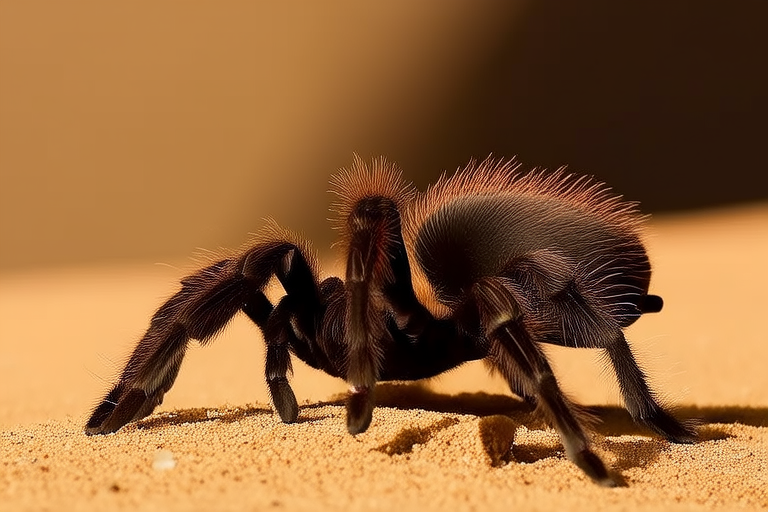
The Chilean Rose Tarantula: A Fascinating Arachnid for Arachnophiles
The Chilean Rose Tarantula (Grammostola rosea) is one of the most popular pet tarantulas due to its docile nature, ease of care, and striking appearance. This article will delve into the unique characteristics of the Chilean Rose Tarantula, its care requirements, and why it is an excellent choice for those interested in arachnids.
Unique Characteristics of the Chilean Rose Tarantula
The Chilean Rose Tarantula is native to the deserts and scrublands of South America, particularly in Chile, Argentina, and Peru. These spiders are known for their beautiful pinkish-brown coloration, which becomes more pronounced as they mature. Their bodies are covered with fine hairs that help them sense vibrations and protect them from predators.
One of the most remarkable features of the Chilean Rose Tarantula is its ability to release urticating hairs when threatened. These tiny hairs can cause irritation and discomfort if they come into contact with human skin or eyes. However, this defense mechanism is rarely used unless the spider feels extremely threatened.
Temperament and Handling
The Chilean Rose Tarantula is renowned for its calm and docile temperament, making it an ideal choice for beginners and experienced tarantula owners alike. Unlike some other species, the Chilean Rose Tarantula does not typically exhibit aggressive behavior towards humans. They are generally content to stay in their enclosure and only interact with their environment minimally.
While handling your tarantula is possible, it is not recommended for beginners. The stress of being handled can be harmful to the spider, and improper handling techniques may result in injury or death. If you decide to handle your Chilean Rose Tarantula, ensure that you have the proper experience and knowledge to do so safely.
Diet and Feeding Requirements
In the wild, the Chilean Rose Tarantula feeds on small insects such as crickets, grasshoppers, and moths. In captivity, these spiders can thrive on a diet of appropriately sized crickets. It is essential to feed your tarantula live prey to stimulate natural hunting behaviors. Adult tarantulas typically eat once every one to two weeks, while younger specimens may require more frequent feeding.
When feeding your Chilean Rose Tarantula, it is crucial to offer prey items that are smaller than the width of the spider’s abdomen. Overfeeding or providing prey that is too large can lead to digestive issues or regurgitation. Additionally, remove any uneaten prey after a few hours to prevent potential harm to your tarantula.
Habitat Setup
Creating a suitable habitat for your Chilean Rose Tarantula is essential for its well-being. A glass terrarium with a secure lid is the best option for housing these spiders. The enclosure should be at least three times the length of the tarantula and twice its width to provide ample space for movement and burrowing.
The substrate in the enclosure should be at least four inches deep to allow for burrowing. Coconut fiber or a mix of peat moss and vermiculite works well for this purpose. Maintain a humidity level of around 60% by misting the substrate occasionally. Ensure that the enclosure has good ventilation to prevent the buildup of excess moisture.
A hide spot, such as a cork bark or half-log, provides the tarantula with a place to retreat and feel secure. Place the hide spot on the substrate to encourage burrowing behavior. Avoid using decorations that could trap the tarantula or make it difficult for it to move around comfortably.
Common Health Issues
Despite their hardiness, Chilean Rose Tarantulas can still face health issues if not cared for properly. One common problem is dehydration, which can occur if the humidity levels in the enclosure are too low. Signs of dehydration include a wrinkled abdomen and lethargy. To prevent dehydration, ensure that the substrate remains moist and provide a shallow water dish.
Molting is a natural process for tarantulas but can be dangerous if not managed correctly. During molting, the tarantula sheds its exoskeleton, and the new one underneath is soft and vulnerable. It is crucial to avoid disturbing the tarantula during this time. If you notice signs of difficulty in molting, such as legs remaining attached to the old exoskeleton, consult a veterinarian specializing in exotic animals.
Myths Surrounding Tarantulas
There are many misconceptions about tarantulas that can deter potential owners. One of the most prevalent myths is that all tarantulas are highly venomous and dangerous to humans. While it is true that tarantulas possess venom, the venom of the Chilean Rose Tarantula is mild and comparable to a bee sting. In most cases, a tarantula bite will cause localized pain and swelling but no serious harm.
Another myth is that tarantulas are solitary creatures that do not interact with others. While tarantulas are primarily solitary, they can coexist peacefully in the same enclosure under specific conditions. However, it is important to introduce them carefully and monitor their interactions to prevent aggression.
Responsibilities of Owning a Chilean Rose Tarantula
Owning a Chilean Rose Tarantula comes with significant responsibilities. Providing the correct habitat, diet, and care is essential for ensuring the longevity and well-being of your pet. Regular cleaning of the enclosure, monitoring for signs of illness, and providing enrichment activities are all part of responsible ownership.
It is also important to consider the long-term commitment involved in owning a tarantula. These spiders can live for up to 20 years, depending on the individual and environmental factors. Before acquiring a Chilean Rose Tarantula, ensure that you are prepared for the long-term responsibility of caring for this fascinating creature.
Tips for Beginners
If you are new to tarantula ownership, start by researching extensively about the Chilean Rose Tarantula and its care requirements. Join online forums and communities dedicated to tarantula enthusiasts to gain valuable insights and advice. Always purchase your tarantula from reputable breeders who prioritize the health and well-being of their animals.
Consider visiting local reptile expos or pet stores that specialize in exotic animals to observe and learn from experienced owners. Watching videos and reading articles about tarantula care can also be beneficial. Remember, patience and dedication are key to becoming a successful tarantula owner.
Conclusion
The Chilean Rose Tarantula is a captivating and rewarding pet for those interested in arachnids. With its docile temperament, ease of care, and stunning appearance, it is an ideal choice for both beginners and seasoned arachnophiles. By understanding the unique characteristics, care requirements, and responsibilities associated with owning a Chilean Rose Tarantula, you can provide a safe and enriching environment for your new pet.
